
Fun and Educational Spring Activities to Spark Your Preschooler's Curiosity and Skills
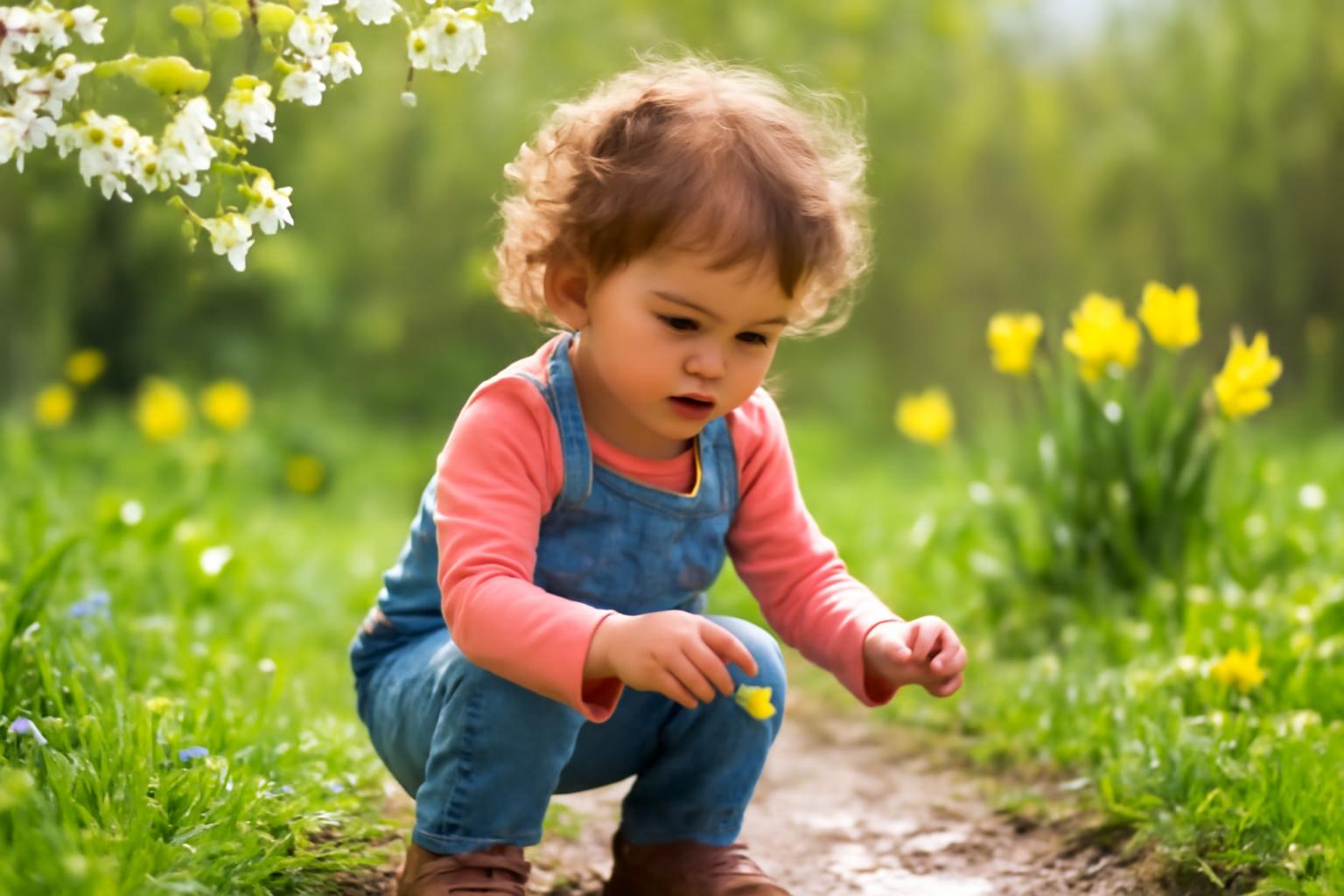
Each idea includes a compact materials list plus a short setup, age or safety note so you can scan the options quickly.
Spring gives preschoolers a lot to notice: puddles, mud, buds, bugs, birds, flowers, wind, and seeds starting to grow. That makes it a practical season for simple play ideas that use paper, water, dirt, chalk, paint, and natural items you may already have at home.
This guide is a curated roundup of preschool spring activity ideas commonly shared by preschool classrooms and family activity sites. It is meant as a practical idea list, not a formal curriculum or a promise of specific outcomes. Because many source ideas came from classroom blogs and family roundups, the versions below keep the claims modest and the setup simple.
You’ll find 58 ideas organized by type: sensory play, process art, math and fine motor centers, outdoor nature play, gross motor games, science observations, and rainy-day backups. Each idea includes a compact materials list plus a short setup, age, or safety note so you can scan quickly.
Before you start, keep a few preschool basics in mind:
- Stay close for water play, straws, mud, bugs, and any small loose parts
- Skip small items like beans, beads, mini erasers, googly eyes, and toy bugs if your child still mouths objects
- Treat “edible-base” sensory materials like chia gel as play materials, not snacks
- Watch for pollen, skin sensitivities, bees, and sharp objects outdoors
- Adapt freely for space: many of these work in a yard, park, sidewalk, balcony, classroom, or apartment kitchen table
Sensory Play Activities for Spring Themes
Spring sensory play works well because the season already suggests textures and themes preschoolers recognize: caterpillars, ponds, bugs, mud, flowers, and water.
1. Cotton wool caterpillars
- Materials: cotton pads or cotton wool rounds, water, food coloring, droppers, tray, optional googly eyes
- Setup: Arrange the cotton pads in a caterpillar shape on a tray. Put small cups of colored water nearby and let your child squeeze color onto the cotton.
- Age note: Use larger droppers and fewer colors for younger preschoolers.
- Safety note: Supervise water play and skip googly eyes if your child still mouths objects.
2. Water blossom flowers
- Materials: paper, crayons or markers, scissors, bowl or tray of water
- Setup: Draw and color simple flowers, cut them out, fold the petals inward, then place them on the water to watch them open.
- Age note: Big flower shapes are easier for preschoolers to fold and handle.
- Safety note: Keep water shallow and supervised.
3. Chia seed frog pond
- Materials: chia seeds, water, optional food coloring, toy frogs, tray or bowl, spoons or scoops
- Setup: Mix chia seeds with water until they become gel-like. Add toy frogs for scooping, hiding, and stirring.
- Age note: Some children prefer tools before touching the texture directly.
- Safety note: Even though the base is edible, this is still a supervised play activity, not a food activity.
4. Bug sensory bin
- Materials: green-dyed rice or another filler, toy bugs, alphabet cards, scoops or cups
- Setup: Hide the bugs and letters in the filler. Invite your child to dig, sort, count, or find letters in their name.
- Age note: Keep the number of letters small at first for younger children.
- Safety note: Rice and toy insects require close supervision if your child mouths objects.
5. Mud kitchen
- Materials: old pots, bowls, spoons, dirt, water, leaves, grass, petals, sticks
- Setup: Set up a low outdoor work area and let your child “cook” with mud and natural items.
- Age note: This works well for mixed ages because there is no single right result.
- Safety note: Wash hands afterward and check the area for sharp objects.
Quick sensory setup tips for ages 3 to 5
Use these adjustments to make spring sensory play easier to manage:
- Start with fewer materials, not more
- Offer tools first if your child does not like messy textures
- Use larger droppers and bigger toy animals for younger preschoolers
- Keep water shallow
- Put a towel and change of clothes nearby
- If a setup feels too intense, reduce the colors, filler, or number of loose parts rather than dropping the activity entirely
Process Art and Crafts Inspired by Spring
In spring art, it helps to think in terms of process art rather than a finished model. Process art focuses on exploring paint, paper, texture, and color choices instead of making every child copy the same example.
6. Rainbow tissue paper collage
- Materials: tissue paper squares or torn pieces, wax paper, liquid starch or a glue-and-water mixture, brush or sponge
- Setup: Layer tissue paper onto wax paper and brush the adhesive over the top.
- Why it works: Wrinkles, overlap, and uneven placement still look good.
- Low-cost note: Torn tissue scraps work just as well as neatly cut squares.
7. Storm painting
- Materials: paper, glue, shaving cream, paint sticks or paint
- Setup: Make puffy clouds with glue and shaving cream, then add rain, lightning, or darker sky colors.
- Age note: Preschoolers often enjoy the cloud texture as much as the painting itself.
- Safety note: Check for skin sensitivity and supervise closely.
8. Pond painting
- Materials: blue paint, paper, green streamers or cut paper, tissue paper flowers
- Setup: Paint the background blue, then add lily-pad shapes and tissue flowers or pond plants.
- Prompt: “What belongs in your pond?”
- Mess note: Medium mess; good with a tray underneath.
9. Butterfly smash art
- Materials: folded butterfly-shaped paper, paint, optional pipe cleaners
- Setup: Add paint to one side of the folded butterfly, press it closed, and open it for a symmetrical reveal.
- Age note: This gives children a simple way to notice symmetry without a long explanation.
- Safety note: Pipe cleaners are optional and best added with supervision.
10. Flower printing
- Materials: real or artificial flowers, paint in shallow trays, paper
- Setup: Dip flower heads lightly in paint and stamp them on paper.
- Age note: Artificial flowers can be easier if you want repeated stamping.
- Safety note: Use only non-toxic paint and remind children that painted flowers are not for smelling or tasting afterward.
11. Celery stamps
- Materials: celery base, paint, paper, optional green paint or markers
- Setup: Use the cut end of celery as a flower stamp and add stems or leaves.
- Why it’s useful: It gives children a flower shape without needing to draw one first.
- Mess note: Low to medium mess.
Keep the emphasis on process, not product
To keep spring art open-ended:
- Put materials in small bowls or trays
- Show techniques only if needed, not a “perfect” sample to copy
- Ask open questions like “What do you notice?” or “What else could you add?”
- Let the child stop when they feel finished
That keeps the invitation creative instead of turning it into a compliance task.
Fine Motor and Math Centers with Spring Twists
Spring themes can make early math and fine motor practice feel more playful. Classroom spring centers often use birds, bugs, eggs, butterflies, flowers, and gardens to revisit numbers, colors, shapes, and patterns.
12. Build a birdhouse
- Materials: pre-cut paper shapes, glue, background paper, crayons or markers
- Setup: Let children glue roof, wall, and window pieces into their own birdhouse design.
- Age note: Pre-cutting helps younger preschoolers who are still learning scissor control.
- Why it works: Children can search, choose, and place pieces without needing one fixed pattern.
13. Build a caterpillar
- Materials: beads or paper circles, pattern cards if you want them, tray
- Setup: String or place pieces in simple color patterns.
- Age note: Start with two-color patterns before making them longer.
- Safety note: Beads are only for children who no longer mouth objects.
14. Build a butterfly
- Materials: colored paper pieces or beads, butterfly outline, optional pattern cards
- Setup: Match both sides of the butterfly or create simple repeated color patterns.
- Age note: A paper version works well if you want to avoid small beads.
- Skill focus: Matching and noticing same/different.
15. Counting eggs
- Materials: egg-shaped erasers or paper egg cutouts, play dough, ten-frames, number cards
- Setup: Place the correct number of eggs in the frame and press or place the matching number nearby.
- Age note: Count to 5 first, then 10, then beyond if your child is ready.
- Safety note: Mini erasers are small; paper cutouts are a safer substitute for some children.
16. Garden shapes
- Materials: paper petals and centers, shape cards, glue or loose pieces
- Setup: Build flowers or garden pictures with target shapes such as circles, squares, triangles, and hearts.
- Variation: Make one flower per shape or sort petals by shape first.
- Age note: Loose pieces can be easier than gluing for children who tire quickly.
17. Petal counting by color
- Materials: flower centers, colored paper petals, number cards
- Setup: Choose a number card and add that many petals, or make flowers that match both a color and a number.
- Prompt: “Can you make a yellow flower with 4 petals?”
- Mess note: Low mess.
18. Rainbow measurement
- Materials: blocks, cubes, or links; rainbow strips or rainbow drawings
- Setup: Measure a rainbow with blocks or links, then compare which one is longer or shorter.
- Age note: Keep the language concrete: longer, shorter, same.
- Low-cost note: A hand-drawn rainbow works fine.
19. Bug hunt math tray
- Materials: toy bugs, filler such as beans, counting cubes, cups or sorting trays
- Setup: Hide bugs in the filler, then count, sort, and line them up with cubes for one-to-one matching.
- Variation: Compare which bug group has more or fewer.
- Safety note: Beans and mini bugs need close supervision.
Easy setup notes for home or classroom use
You do not need a laminator or a stack of printables to use spring centers. The basics usually cover most setups:
- printer paper or cardstock
- scissors
- glue sticks
- crayons or markers
- rice, beans, or play dough
- a few toy bugs or paper cutouts
- blocks or links
For younger preschoolers, pre-cut pieces and reduce choices. For older 4- and 5-year-olds, add number cards, pattern prompts, or short “find and count” challenges.
Outdoor Nature Exploration and Scavenger Hunts
Spring changes fast, which makes outdoor observation naturally interesting for preschoolers. You do not need a long hike for this section to work. A yard, park, sidewalk, apartment courtyard, or school playground is enough.
20. Spring scavenger hunt
- Materials: simple list or picture list, clipboard optional
- Setup: Look for leaves, flowers, rocks, bugs, buds, or worms.
- Age note: A picture list is easier than a written one for non-readers.
- Low-cost note: A verbal hunt works too.
21. Texture-and-smell nature walk
- Materials: bag or tray optional
- Setup: Notice or collect bark, grass, feathers, onion grass, petals, or other textured natural items.
- Prompt: “What feels rough? What feels soft?”
- Safety note: Follow local rules about what can be collected.
22. Pinecone bird feeder and birdwatching
- Materials: pinecone feeder materials, hanging string, simple chart or paper
- Setup: Hang the feeder, then watch from outside or through a window and mark bird visits with pictures or tally marks.
- Age note: Keep the observations simple: big/small, loud/quiet, hopping/flying.
- Safety note: Adult help is needed for hanging feeders.
23. Plant sunflowers
- Materials: sunflower seeds, soil, pot or garden space, water
- Setup: Plant and revisit the same spot to see changes over time.
- Why it fits spring: It gives preschoolers an easy plant to check again and again.
- Space note: A pot works if you do not have a yard.
24. Plant peas
- Materials: pea seeds, soil, pot or garden space, water
- Setup: Plant, water, and look for shoots as they begin to grow.
- Age note: Preschoolers often enjoy repeated watering jobs.
- Mess note: Low to medium mess outdoors.
25. Plant herbs
- Materials: basil, mint, or other herb starter or seeds, soil, pot, water
- Setup: Grow herbs in a garden bed, planter, or pot.
- Why it’s practical: Herbs are familiar and easy to revisit.
- Safety note: Check plant choice for family allergies or pet safety if relevant.
26. Window seed sprout bag
- Materials: zip-top bag, seeds, water, paper towel or cotton, tape
- Setup: Put damp paper towel and seeds in the bag and tape it to a sunny window.
- Space note: Good for apartments or classrooms without garden access.
- Age note: This pairs well with short daily check-ins.
27. Puddle jumping
- Materials: boots or water-resistant shoes, change of clothes optional
- Setup: Find a shallow safe puddle and let your child jump, stomp, or compare splash sizes.
- Safety note: Avoid puddles near roads, drains, or unknown runoff.
- Mess note: High fun, high mess.
28. Worm observation
- Materials: none required, magnifying glass optional
- Setup: Look for worms after rain, watch how they move, and talk about where they live.
- Age note: Watching counts; touching is optional.
- Safety note: Wash hands afterward.
29. Worm hotel
- Materials: sticks, rocks, moss, and other natural materials
- Setup: Build a simple worm hotel or worm-friendly nature corner outdoors from found materials.
- Age note: This works best as a short building activity, not a complicated project.
- Safety note: Return lifted materials carefully and supervise handling.
30. Flower inspection
- Materials: flower, magnifying glass optional
- Setup: Slow down and inspect color, petal shape, smell, size, and any insects nearby.
- Prompt: “How many petals do you see?”
- Safety note: Watch for bees and remind children not to taste plants.
Outdoor safety basics
A short safety check matters more than a long supply list:
- use sunscreen when needed
- stay close near water, mud, puddles, and bugs
- watch for bees, sharp objects, and uneven ground
- wash hands after dirt, worm, or mud play
- set clear boundaries before children run or spread out
Active Outdoor Games and Gross Motor Play
Some spring activities are most useful simply because they get preschoolers moving. Chalk, bubbles, wind, and open space can carry a lot of play without much setup.
31. Sidewalk chalk city
- Materials: sidewalk chalk, toy cars optional
- Setup: Draw roads, buildings, parking spots, and parks for children to walk through or drive cars through.
- Age note: Great for children who like pretend play more than structured games.
- Mess note: Low mess; outdoor only.
32. Chalk STOMP game
- Materials: sidewalk chalk
- Setup: Write letters or numbers and call one out for your child to stomp, jump, or run to.
- Age note: Use only a few targets at first.
- Why it works: It turns recognition practice into movement.
33. Chalk hopscotch or lily-pad jumps
- Materials: sidewalk chalk
- Setup: Draw a hopscotch grid or scattered “lily pads” for jumping.
- Age note: Lily-pad spots are often easier than a full hopscotch pattern for younger preschoolers.
- Safety note: Use a flat surface.
34. Bubble snakes
- Materials: plastic bottle, sock, tape, bubble solution
- Setup: Cover the bottle end with the sock, dip it in bubble solution, and blow to make a long stream of bubbles.
- Age note: Best for children who can follow directions about blowing only.
- Safety note: Close supervision is important so the child does not inhale or suck bubble solution.
35. Outdoor obstacle course
- Materials: cones, hula hoops, pool noodles, chalk lines, buckets, stepping spots
- Setup: Make a short course with prompts like jump in, walk around, step over, crawl under.
- Age note: Short courses are usually better than long complicated ones.
- Why it works: Repeating the same route is often more fun than constantly changing it.
36. Kite flying
- Materials: kite, open space
- Setup: Try flying a kite on a breezy day in an open grassy area.
- Age note: For many preschoolers, running and trying is enough even if the kite does not stay up.
- Safety note: Stay away from roads and power lines.
37. Bike, scooter, or ride-on path
- Materials: wheeled toy, helmet, chalk
- Setup: Draw a path, turns, stop signs, or parking spaces.
- Age note: Simple routes are easier than traffic-style rules.
- Safety note: Helmets and visible boundaries matter.
38. Picnic and tag
- Materials: blanket, snack, open space
- Setup: Start with a short picnic, then play tag or another chase game afterward.
- Age note: If tag feels too chaotic, switch to follow-the-leader.
- Why it’s useful: It combines a calm moment and an active one.
39. Freeze game after a picnic
- Materials: open space, music optional
- Setup: Run, dance, or move until the adult says “freeze.”
- Age note: Good for groups that need a simple rule set.
- Mess note: No supplies needed beyond space.
40. Parachute play
- Materials: parachute, lightweight balls optional
- Setup: Lift and lower together, roll balls across the top, or sit underneath like a tent.
- Age note: Best for siblings, classes, or small groups.
- Safety note: Short turns and clear instructions help.
41. Sack races
- Materials: pillowcases or bags
- Setup: Mark a very short race distance and let children hop to the finish.
- Age note: Keep the distance short to reduce frustration.
- Safety note: Use soft ground if possible and supervise closely.
42. Sprinkler play or simple water play
- Materials: sprinkler or outdoor water setup
- Setup: Use a sprinkler on a warm day or set up a simple water-play station outdoors.
- Age note: Some children prefer to watch first before running through.
- Safety note: Stay close, use non-slip footwear if needed, and avoid cold or windy conditions.
Portable spring play for parks
A small bag can cover many away-from-home outings:
- sidewalk chalk
- bubbles
- a small ball
- a towel
- a snack
- spare socks
That is enough for a park stop without heavy planning.
Simple Science and Observation Experiments
For preschoolers, spring science works best as observation with simple materials. The goal is not a formal experiment report. It is noticing change, color, movement, weather, and living things.
43. Seed sprout bags
- Materials: zip-top bag, seeds, water, paper towel or cotton, tape, sunny window
- Setup: Put damp paper towel and seeds in the bag and tape it to a window.
- Questions to ask: “What changed today?” “Do you see roots?”
- Space note: Good indoor option when you cannot plant outside.
44. Color mixing with droppers
- Materials: droppers, colored water or liquid watercolor, paper towel, tray or plastic sleeve
- Setup: Let your child drop colors onto the paper towel and watch them spread and meet.
- Age note: Fewer colors can feel calmer for some children.
- Safety note: Supervise to prevent squeezing color into eyes or mouth.
45. Wind-blown paint puddles
- Materials: paper, liquid paint or watercolor, droppers, straw
- Setup: Make small paint puddles and blow them outward through a straw.
- Age note: Use only with children who can reliably blow, not suck.
- Safety note: Direct, close supervision is necessary.
46. Cloud watching
- Materials: blanket optional
- Setup: Lie down outside and watch fast clouds, slow clouds, white clouds, gray clouds, or changing weather.
- Why it works: No prep, no cleanup, and easy to repeat.
- Age note: Even five quiet minutes counts.
47. Rainbow walk
- Materials: none required
- Setup: Look for something red, orange, yellow, and so on during a walk.
- Space note: Works on a sidewalk, in a park, or indoors with collected objects.
- Age note: Stop after a few colors if a full rainbow feels too long.
48. Butterfly observation
- Materials: none required outdoors; classroom kit only if you already have access
- Setup: Look for butterflies during walks, or observe caterpillars and chrysalises through a classroom-style kit if available.
- Age note: Pair what you see with a butterfly book if you want added context.
- Safety note: Observation is enough; no handling required.
49. Bug observation
- Materials: bug, magnifying glass optional
- Setup: Watch a bug and ask simple questions: Where did you find it? How many legs do you see? Is it crawling or flying?
- Age note: Short, real observations often work better than a long explanation.
- Safety note: Supervise closely and avoid handling unknown insects.
Indoor Alternatives for Rainy Spring Days
Rainy days do not have to end the spring theme. Many outdoor ideas can move indoors with a smaller setup, and some indoor sensory ideas fit spring especially well.
50. Bathtub paint
- Materials: cornstarch, shampoo, food coloring
- Setup: Mix a small batch and let your child paint on the tub walls during bath time or dry-tub play.
- Why families like it: The cleanup stays in one place.
- Safety note: Check for skin sensitivity and supervise closely.
51. Slime making
- Materials: slime ingredients from a recipe you already use
- Setup: Make a small batch for supervised squishing and stretching.
- Age note: Best for children who no longer mouth sensory materials.
- Safety note: Because recipes vary, supervise throughout and wash hands after play.
52. Indoor water table variation
- Materials: shallow tub or bin, cups, spoons, scoops, towels
- Setup: Bring water play indoors in a controlled, shallow setup.
- Age note: Keep the amount of water small for easier management.
- Safety note: Constant supervision is still required.
53. Music and dance to spring songs
- Materials: music optional, open floor space
- Setup: March like ants, flutter like butterflies, or stretch like flowers growing.
- Age note: Good when children need to move but outdoor plans are canceled.
- Mess note: No cleanup beyond clearing space.
54. Mystery touch bag
- Materials: bag or box, collected natural items such as bark, feather, leaf, smooth stone, flower stem
- Setup: Have your child feel one item without looking and describe it.
- Prompt: “Is it rough or smooth? Hard or soft?”
- Age note: Works well one-on-one.
55. Baking with herbs or seeds
- Materials: a recipe your family already uses, herbs or seeds, bowl, spoon
- Setup: Let your preschooler wash herbs, tear leaves, stir, or sprinkle seeds.
- Why it fits spring: It keeps the plant theme going indoors with real ingredients.
- Safety note: Account for allergies and supervise kitchen tasks.
56. Sensory wall or board
- Materials: a board or tray area plus safe textured items
- Setup: Create a touch-based station for pressing, rubbing, or comparing textures.
- Age note: Useful for children who like sensory input without a large mess.
- Safety note: Secure pieces well and avoid choking hazards.
57. Blindfolded taste-testing
- Materials: safe familiar foods, blindfold optional
- Setup: Offer tiny tastes and ask your child to guess what they notice.
- Age note: Keep this light and playful, not pressured.
- Safety note: Use only familiar foods and account for allergies and choking considerations.
58. Sound-identification game
- Materials: simple household instruments or sound-making items
- Setup: Play a sound and ask your child to identify or match it.
- Why it works indoors: It gives variety on a rainy day without extra mess.
- Age note: Short rounds are usually best.
Bringing outdoor spring ideas inside
A few easy swaps keep the season visible even on bad-weather days:
- turn a scavenger hunt into a hunt with previously collected natural items
- inspect a flower from a bouquet or planter instead of one growing outside
- use a window sprout bag instead of a garden bed
- do texture play with natural objects at a table
- swap a large mud kitchen for a smaller, cleaner sensory setup
Frequently Asked Questions
What materials do most spring activities for preschoolers need?
Most use low-cost basics:
- paper or printer paper
- glue or a glue-and-water mixture
- tissue paper
- paint
- droppers
- water
- food coloring
- sidewalk chalk
- seeds
- natural items like leaves, sticks, flowers, rocks, or dirt
- sensory fillers such as rice, beans, or play dough
- simple toys like plastic bugs or frogs
Many classroom and blog versions mention trays, printables, or extra supplies, but the core activities usually work with household substitutes.
Are these activities suitable for 3-year-olds?
Many are, with adjustments. The simplest changes are:
- use large droppers instead of very small pipettes
- pre-cut shapes for crafts and centers
- offer fewer pieces and fewer colors at once
- choose larger materials when possible
- keep water shallow and supervised
- focus on exploring, not finishing
A 3-year-old may stay longer with puddle jumping, cotton caterpillars, or water blossoms, while an older preschooler may spend more time with patterns, counting eggs, or bug sorting.
How do I adapt for groups or classrooms?
Short stations usually work better than one long whole-group task. A simple setup might include:
- one sensory tray or table
- one art invitation
- one math or fine motor center
- one outdoor movement or observation spot
Helpful group adaptations:
- pre-portion supplies into small bins
- pre-cut hard shapes for younger children
- use visual examples without requiring copying
- rotate children through short turns
- pair children for scavenger hunts or observation tasks
- offer one calm option and one active option
What safety tips apply to outdoor spring play?
For preschoolers, the main safety basics are practical ones:
- use sunscreen when needed
- stay close during water, puddle, or mud play
- supervise bug and worm handling
- watch for bees, sharp objects, and uneven ground
- use helmets for bikes, scooters, and ride-on toys
- set boundaries before running games
- wash hands after mud, dirt, or nature play
- account for allergies, pollen, and skin sensitivities
Spring activities for preschoolers do not need to be elaborate to be worthwhile. A tray of colored water, a paper flower in a bowl, a bug hunt in a bin, a chalk path, or a seed bag on the window can all turn the season into something your child can see, touch, and talk about. Start with one or two ideas, choose the versions that fit your space and supervision level, and let your preschooler’s interests guide what you repeat.